Carob ingredients for animal nutrition

Carob-Based Feed Ingredients for Professional Animal Nutrition

Carob Powder and Kibbled Carob / Carob Pulp for feed formulations requiring natural carbohydrates, fibre contribution, palatability potential and reliable industrial supply.

Built for feed manufacturers, premix companies, distributors, animal nutritionists, formulators, purchasing managers and industrial feed buyers.

Technical positioning

Commercially clear, technically grounded and easy to work into professional feed sourcing

This page is built to support practical formulation and sourcing conversations. Where composition, fibre, tannins or species-specific observations are mentioned, they are linked discreetly to the relevant literature such as [1], [2] or [3].

Product overview

Two carob ingredient formats for different process, handling and formulation needs

Both products are presented as feed ingredients for professional animal nutrition, with specification data and literature references included where technically useful.

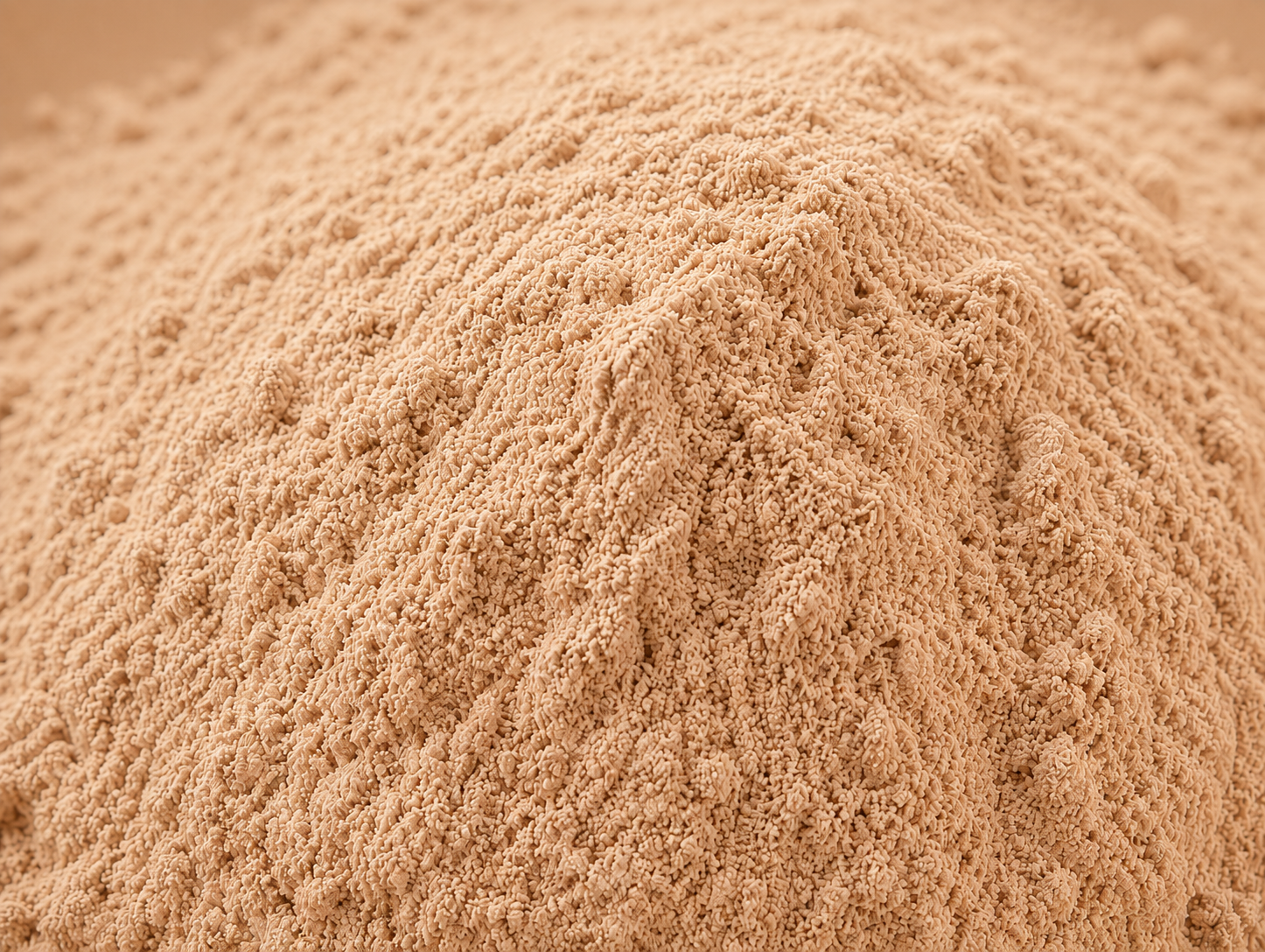
Close-up of fine carob powder with a uniform texture suitable for technical feed formulation presentation

Product 01

Carob Powder

Fine carob powder positioned for formulations where homogeneous mixing, natural carbohydrate contribution, fibre contribution and process consistency are commercially relevant [1][2].

  • Fine, homogeneous format for dry blends, premix-related workflows and compound feeds
  • Suitable for customers who prioritize controlled distribution in the final formula
  • Specified as a 105 micron powder with batch-oriented technical documentation
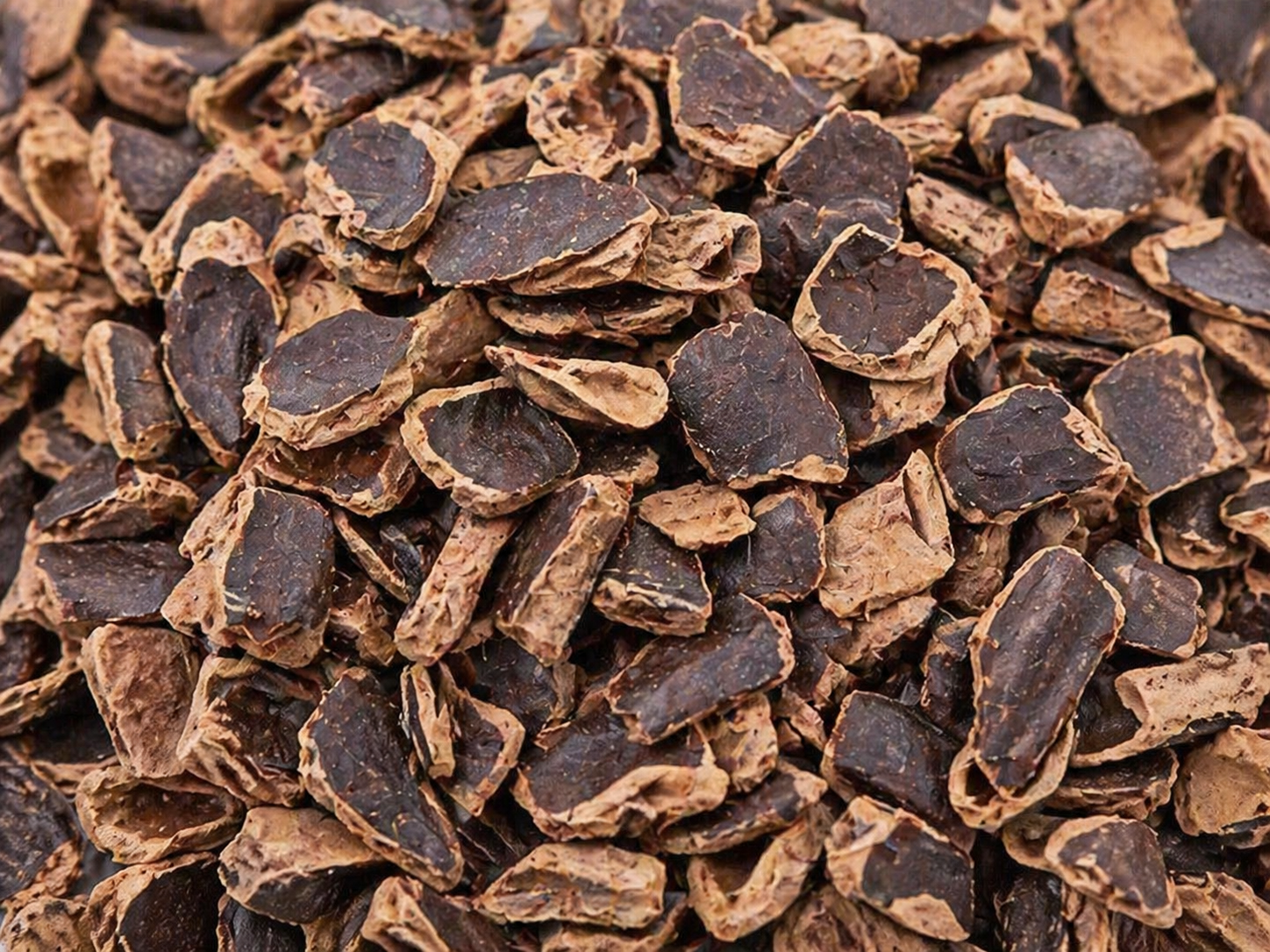
Close-up of coarse kibbled carob pulp pieces showing a structured ingredient format for feed applications

Product 02

Kibbled Carob / Carob Pulp

Coarser carob pulp format positioned for feed applications where structure, fibre-oriented thinking, natural sugars and broader handling flexibility are relevant to the formulation brief [1][2].

  • Coarser presentation suited to applications where visible structure is acceptable or desired
  • Supports commercial discussions around fibre contribution and plant-based ingredient sourcing
  • Available in three size grades; this page currently shows the large 10-16 mm format

Product comparison

Format selection should match processing logic and formulation objectives

Indicative positioning for commercial and technical discussion.
Feature Carob Powder Kibbled Carob / Carob Pulp
Format Fine powder Coarse kibbled or cut pulp
Typical use Homogeneous dry blends and formulation-controlled mixes Coarser blends and structure-oriented feed concepts
Particle management 105 micron powder, with 96% below 105 microns Three size grades available; current specification shown for the large 10-16 mm format
Fibre contribution May contribute fibre depending on composition and inclusion rate [2] May contribute fibre depending on composition and inclusion rate [1][2]
Natural sugars / carbohydrates Carob-derived carbohydrates, with batch values confirmed by product analysis [1] Carob pods and pulp are described as sugar-containing materials [1][2]
Polyphenols / tannins Best reviewed at formulation stage [2] Best reviewed carefully at formulation stage [2][3]
Handling profile Adapted to fine dosing and uniform mixing workflows Adapted to applications where a coarser presentation is acceptable
Packaging 25 kg multilayer paper bag with polyethylene liner Packaging available upon request
Best fit Mixing precision and formulation flexibility Structure, fibre contribution, granulometry choice and ingredient profile

Format

Carob Powder

Fine powder

Kibbled Carob / Carob Pulp

Coarse kibbled or cut pulp

Typical use

Carob Powder

Homogeneous dry blends and formulation-controlled mixes

Kibbled Carob / Carob Pulp

Coarser blends and structure-oriented feed concepts

Particle management

Carob Powder

105 micron powder, with 96% below 105 microns

Kibbled Carob / Carob Pulp

Three size grades available; current specification shown for the large 10-16 mm format

Fibre contribution

Carob Powder

May contribute fibre depending on composition and inclusion rate [2]

Kibbled Carob / Carob Pulp

May contribute fibre depending on composition and inclusion rate [1][2]

Natural sugars / carbohydrates

Carob Powder

Carob-derived carbohydrates, with batch values confirmed by product analysis [1]

Kibbled Carob / Carob Pulp

Carob pods and pulp are described as sugar-containing materials [1][2]

Polyphenols / tannins

Carob Powder

Best reviewed at formulation stage [2]

Kibbled Carob / Carob Pulp

Best reviewed carefully at formulation stage [2][3]

Handling profile

Carob Powder

Adapted to fine dosing and uniform mixing workflows

Kibbled Carob / Carob Pulp

Adapted to applications where a coarser presentation is acceptable

Packaging

Carob Powder

25 kg multilayer paper bag with polyethylene liner

Kibbled Carob / Carob Pulp

Packaging available upon request

Best fit

Carob Powder

Mixing precision and formulation flexibility

Kibbled Carob / Carob Pulp

Structure, fibre contribution, granulometry choice and ingredient profile

Key technical benefits

Designed for technical sourcing conversations and practical formulation work

Plant-derived ingredient profile

Carob ingredients are positioned as plant-based raw materials suitable for industrial feed supply discussions.

Carbohydrates and fibre contribution

Carob pods and pulp are described as sources of sugars and can contribute fibre depending on composition and inclusion rate [1][2].

Flexible physical formats

Fine powder and kibbled pulp allow the nutrition team to select the format that best aligns with the target feed and plant process.

Palatability potential

Studies suggest palatability-related outcomes should be assessed case by case because sugars and tannins may influence intake dynamics differently [2].

Tannin awareness

Polyphenols and tannins are part of the ingredient profile and should be considered alongside the final formula, inclusion rate and target species [2][3].

Specification and documentation support

Traceability, COA availability and technical specifications can support sourcing, quality review and customer qualification.

Applications

Application guidance focused on formulation, process and end use

Swine is the strongest evidence-backed application in the uploaded studies. Other species are presented more broadly and should be validated by the customer's nutritionist.

Ruminants

Carob ingredients may be evaluated where formulation teams are looking at plant-derived carbohydrates and fibre contribution within complete ration design.

Suitability should be assessed according to the final formulation, species and local regulations.

Swine

The supplied pig studies suggest that carob pod or carob pulp inclusion can be feasible under defined conditions, while also highlighting digestibility, economics and formulation cautions [1][2][3].

Use should be validated by genetics, diet balance, inclusion level and plant process.

Poultry

Carob formats may be reviewed by poultry formulation teams as plant-derived feed ingredients where fibre and carbohydrate contribution are under consideration.

Suitability should be assessed according to the final formulation, species and local regulations.

Pet Food

Potential relevance in pet food should be treated as a project-specific formulation, palatability, labeling and regulatory question rather than a generic market claim.

Suitability should be validated case by case before commercial use.

Technical specifications

Specification data aligned with the supplied technical sheets

Values below reflect the supplied product specifications. Final delivered lots should still be confirmed by the corresponding batch COA.

Specification sheet

Carob Powder

Origin / sourceFruit of the carob tree, Ceratonia siliqua
Moisture< 6%
Ash< 5%
Total protein< 6%
Total fat content1%
Total sugars40%
Reducing sugars< 12%
Total dietary fibre~ 42%
Crude fibre< 11%
pH5 - 6
Solubility in water50% - 60%
Specific weight500 - 550 kg/m3
Particle size105 microns, with 96% < 105 microns
Energy value1290 kJ / 310 kcal per 100 g
Packaging25 kg multilayer paper bag with polyethylene liner
Shelf life18 months from manufacture date
StorageStore in a dry, cool place away from direct sunlight
MicrobiologyAerobic mesophilic count < 10^4 cfu/g; yeast and moulds < 10^3 cfu/g; Salmonella absent /25 g; E. coli absent /g
Contaminants / statusAflatoxin B1 < 0.05 mg/kg; lead < 10 mg/kg; cadmium < 1 mg/kg; GMO free

Specification sheet

Kibbled Carob / Carob Pulp

Format shownLarge kibbled carob
Available sizesThree size grades available; current values correspond to the large format
Granulometry / cut size10 - 16 mm
Moisture~ 11%
Ash~ 5%
Total protein< 7%
Total fat content< 2%
Total sugars~ 43%
Reducing sugars~ 15%
Crude fibre< 12%
pH5 - 6
MicrobiologyAerobic mesophilic count < 10^5 cfu/g; yeast and moulds < 10^4 cfu/g; Salmonella absent /25 g; E. coli absent /g
PackagingAvailable upon request
Shelf life / storageAvailable upon request or batch documentation
DocumentationTechnical data sheet and batch-related commercial documentation

Quality & supply

Prepared for technical qualification, traceability and industrial supply discussions

The commercial supply approach is supported by documentation readiness, lot traceability and practical coordination for professional feed applications.

COA availabilityAnalytical documentation prepared according to agreed parameters.
TraceabilityOrigin and batch identification messaging built into the sales narrative.
Supply supportIndustrial volume and recurring supply discussions supported with editable commercial details.
Technical documentationSpecification sheets and data presentation prepared for customer review.
Quality control and technical documentation setting for industrial feed ingredient qualification
Optional visual for documentation, traceability and technical qualification workflows.

Technical literature

Scientific references and technical notes relevant to carob ingredients

Scientific literature helps guide how carob ingredients are presented for feed applications, while final product use should always be assessed within the complete formula.

Natural sugars and carbohydrates

Carob pods are described in the literature as sugar-containing materials with gross energy contribution. Final values should always be confirmed by product analysis.

References: [1]

Fibre contribution

Carob pulp can contribute fibre to feed formulations, with practical impact depending on composition, processing and inclusion rate.

References: [2], [1]

Polyphenols and tannins

Studies describe carob pulp as containing polyphenols, including condensed tannins, which should be considered during formulation work.

References: [2], [3]

Swine application background

The strongest uploaded literature relates to pig studies, where carob pod or pulp inclusion was evaluated under defined experimental conditions together with digestibility and economic considerations.

References: [1], [2], [3]

Palatability considerations

The literature suggests intake-related outcomes may depend on the balance between sugars and tannins, so palatability is best assessed in the final formula.

References: [2]

Product context from pork studies

A pork study reported that 20% carob pulp did not impair meat quality under its tested conditions, adding useful context while still requiring formulation-specific validation.

References: [3]

Scientific References

  1. Kotrotsios, N.; Christaki, E.; Bonos, E.; Florou-Paneri, P. "Dietary Carob Pods on Growth Performance and Meat Quality of Fattening Pigs." Asian-Australasian Journal of Animal Sciences, 25(6), 880-885, 2012.
  2. Bottegal, D.N.; Latorre, M.A.; Lobon, S.; Verdu, M.; Alvarez-Rodriguez, J. "Fattening Pigs with Tannin-Rich Source (Ceratonia siliqua L.) and High Doses of Vitamin E: Effects on Growth Performance, Economics, Digestibility, Physiology, and Behaviour." Animals, 14, 1855, 2024.
  3. Bottegal, D.N.; Latorre, M.A.; Lobon, S.; Argemi-Armengol, I.; Alvarez-Rodriguez, J. "Impacts of carob pulp (Ceratonia siliqua L.) and vitamin E on pork colour, oxidative stability, lipid composition and microbial growth." Meat Science, 220, 109710, 2025.

Contact

Request datasheets, samples or a commercial discussion package

Privacy summary: controller details are listed in our Legal Notice. We use your name, email address and message only to manage your enquiry. Form delivery is handled by Web3Forms, which operates servers outside the EEA. You can exercise your privacy rights using the contact details published in the legal pages.